HR Strategy | Co-Creating People Strategy with Business Direction
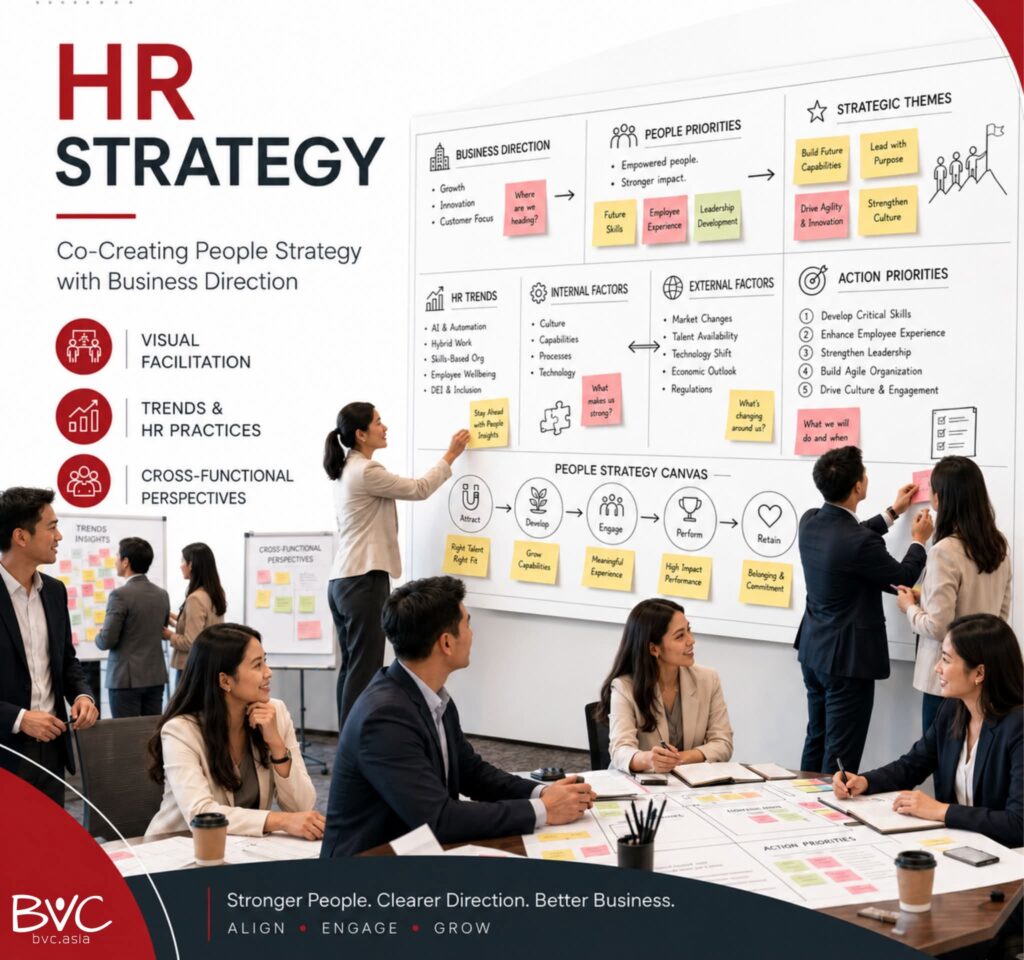
Facilitate กระบวนการคิดกลยุทธ์บุคลากรที่ดึง Business Units มาร่วม Co-Create ให้ตอบโจทย์องค์กรยุคใหม่และสร้างการเปลี่ยนแปลงได้จริง
From Business Direction to People Strategy: Building an HR Strategy That Does Not Start with HR
Developing an effective HR Strategy should not begin with the question, “What new HR initiatives should we launch?” Nor should it begin by simply reviewing existing HR programs and deciding which ones need improvement. A stronger starting point is a more fundamental question:
As the business changes, what must the organization become — and how must its people evolve to make that future possible?
This shifts HR Strategy away from being a collection of HR activities and toward becoming a business-driven people strategy. The process begins with the future of the business, translates that future into implications for people and organization, identifies the gaps between today and tomorrow, and only then determines what HR must do.
The strategy development process can be understood through eight connected stages.
1.Start with the Future of the Business, Not the Current HR Agenda
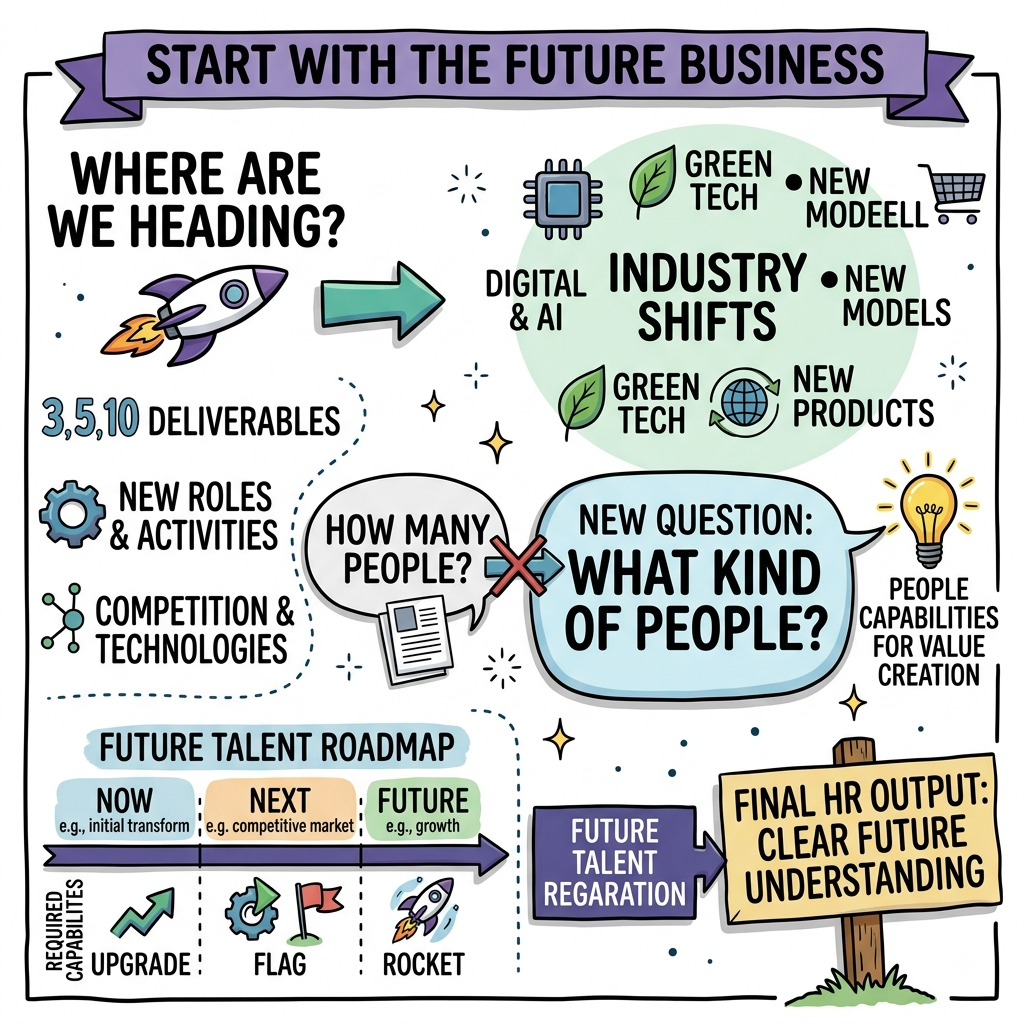
Before discussing skills, talent, leadership, culture, or HR systems, the organization must first clarify where the business is heading.
What will the organization be expected to deliver in the next three, five, or ten years? What new roles will it play? Which businesses may emerge? Which traditional activities may become less important? Where will competition become more intense? Which technologies will fundamentally change how value is created?
In a rapidly transforming industry, the future may involve new digital platforms, data and AI, green technologies, decentralized operations, new commercial models, direct customer relationships, new products and services, and entirely different competitive dynamics.
2.Scan the Future — Then Translate Trends into People Implications
External scanning often produces a long list of trends: AI, automation, climate change, energy transition, demographic shifts, changing customer expectations, geopolitical uncertainty, new regulations, sustainability requirements, and new business models. But identifying trends is not yet strategic thinking.
The more useful question is:
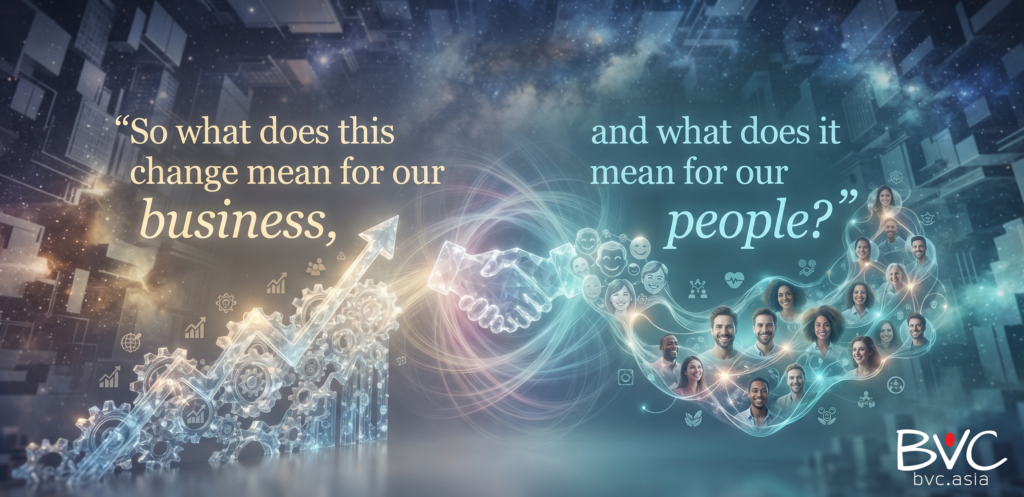
A technology trend, for example, should not automatically lead to an “AI training program.”
The organization should first ask: Which jobs will change? Which decisions will become data-driven? Which tasks will disappear or be automated? Which roles will require deeper expertise? How will customer expectations change? What capabilities will managers need to lead people working alongside technology?
Similarly, the transition toward greener business models should not lead only to environmental awareness campaigns.
It should provoke deeper questions: Which new technical capabilities will be required? Which existing skills could become obsolete? Which new commercial opportunities will emerge? Which employees must be reskilled? What behaviors and leadership practices will be required to make sustainability part of everyday decision-making?
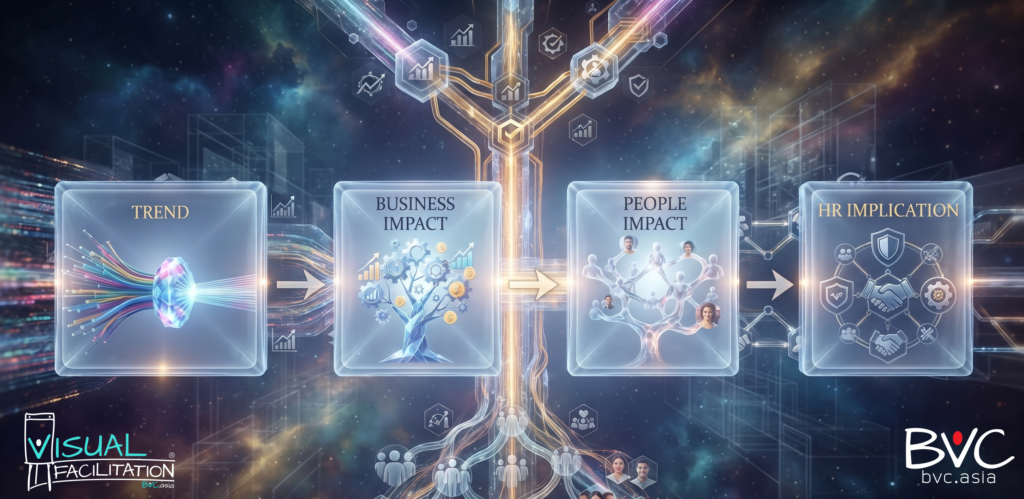
A useful logic is therefore:
3.Opportunity or Threat? It Depends on Organizational Readiness
One of the most important lessons in strategic analysis is that an external development is not inherently an opportunity or a threat.
The same change can be both.
A newly opened market may create major commercial opportunities. But if the organization lacks customer insight, commercial capability, pricing expertise, technology, decision speed, or entrepreneurial talent, the same development may become a serious competitive threat.
New technology may increase productivity. But if employees cannot adopt it, managers resist changing how work is done, or existing processes remain too rigid, that technology may increase the gap between the organization and its competitors.
This leads to a much more useful strategic question
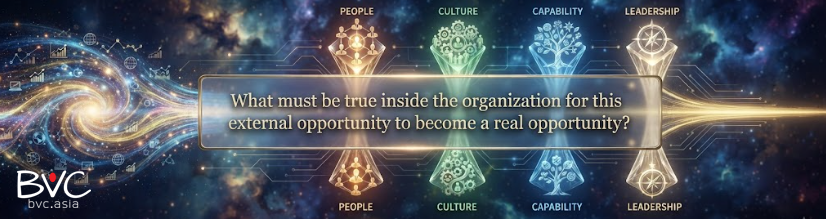
The purpose of SWOT analysis, therefore, should not be to fill four boxes.
It should reveal the organizational capabilities that determine whether the business can capture an opportunity or withstand a threat.
This is where business strategy begins to connect directly with people strategy.
4.Diagnose the Organization Against the Future — Not Against the Past
Once the future context is understood, the organization can turn inward.
Traditional internal analysis often asks whether systems already exist:
Do we have a talent program?
Do we have a competency framework?
Do we have succession planning?
Do we have leadership development?
Do we have a performance management system?
A future-oriented diagnosis asks something more demanding:
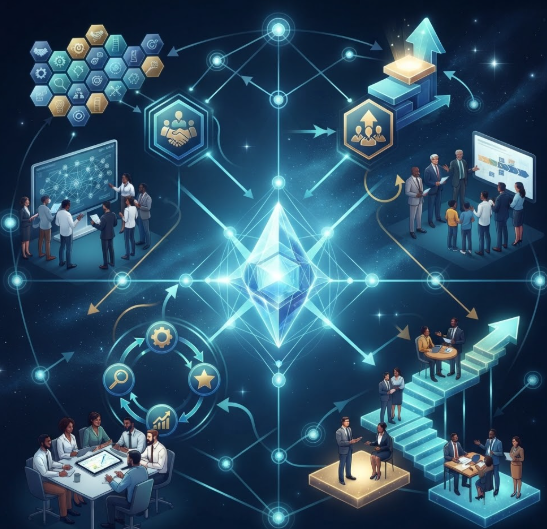
“Are the systems we have today capable of producing the people and organization we will need tomorrow?”
An organization may already have a talent pool. But are those talents being prepared for future-critical roles? Are they being deployed to strategic assignments? Are they being used to solve real business challenges?
A performance management system may exist. But does it differentiate performance meaningfully? Does it create useful performance conversations? Does it inform development, career, talent, succession, and workforce decisions?
Learning programs may be extensive. But do they close critical skill gaps? Can employees apply what they have learned? Does the organization know whether capability has actually improved? The logic of internal diagnosis therefore becomes:
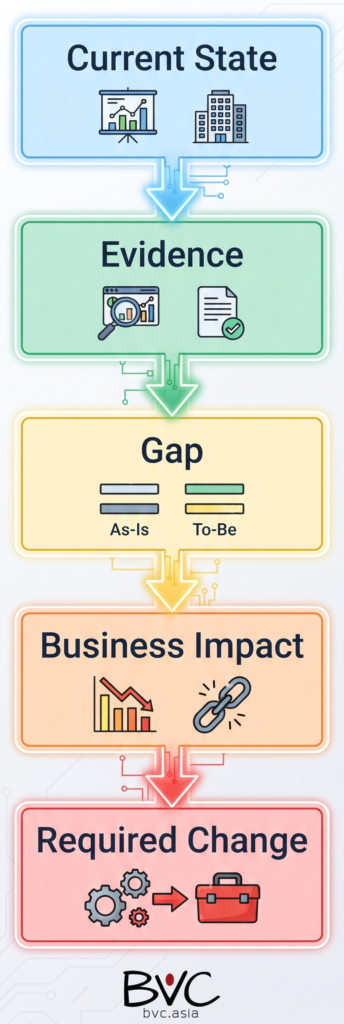
Frameworks such as McKinsey 7S can support this analysis across Strategy, Structure, Systems, Shared Values, Style, Staff, and Skills. But the framework itself is less important than the question behind it:
“How ready are we for the future we say we want?”
5.Turn Analysis into Strategic Issues That Matter to the Business
After external and internal analysis, the organization usually has too much information rather than too little.
The next challenge is synthesis.
Terms such as Talent, Leadership, Digital HR, Culture, Workforce Planning, or Employee Experience are not yet strategic issues. They are topics.
A true strategic issue should explain why the topic matters and what will happen if the organization does not address it.
For example, rather than saying:
“We need to improve talent management,”
the deeper strategic issue may be:
The organization is entering new businesses, but future-critical roles do not yet have sufficient internal talent pipelines, creating dependency on external hiring and increasing execution risk.
This framing changes the quality of the strategy immediately.
Strategic issues should therefore be tested against questions such as:
Why does this matter to the future business? What business capability will be constrained if this remains unresolved? Is the root cause primarily workforce, capability, structure, leadership, culture, or system-related? How urgent is the issue? And is HR truly the owner, or is HR an enabler of a broader business issue?
The result should be a small number of meaningful strategic themes rather than a long catalogue of HR topics.
Typical themes may include workforce and organization, future capabilities, talent, leadership and change, culture, performance, digital/data/AI, employee experience, and future talent attraction.
6. Define the Future People Before Designing the HR Programs
A critical bridge is often missing between SWOT analysis and HR initiatives.
That bridge is the Future People Proposition.
Before deciding which HR projects to implement, the organization should ask:
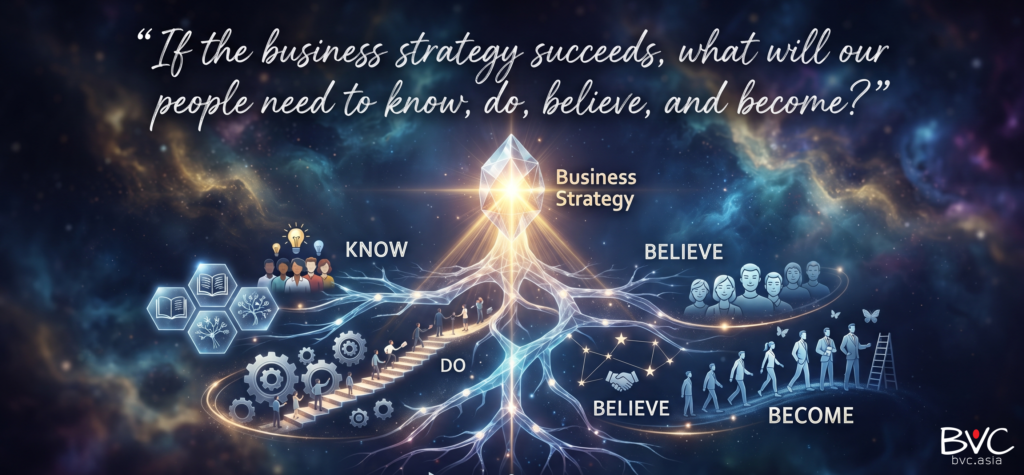
This question produces a much clearer picture of the workforce the strategy is intended to create.
This question produces a much clearer picture of the workforce the strategy is intended to create.
Example:
A business entering more competitive markets may require employees with stronger Business and Entrepreneurial Mindsets — people who identify opportunities, understand customers, experiment, make decisions under uncertainty, and turn ideas into value.
A business undergoing green transformation will require more than environmental awareness. It will require Green Skills, Green Behaviors, and a Green-oriented organizational culture.
A business driven increasingly by technology will require more than basic digital literacy. Employees must be able to apply Digital, Data, and AI capabilities to improve work, decision-making, operations, and customer experience.
An organization that expects innovation and faster execution must also reconsider the employee experience. People cannot be expected to behave entrepreneurially while every decision requires multiple layers of approval.
Employees need space to think, authority to act, permission to experiment, access to information, and recognition when they create value.
The future workforce may therefore be defined through characteristics such as Digital/Data/AI Capability, Green Workforce Readiness, Customer Centricity, Entrepreneurial Mindset, Future-Critical Talent, Empowerment, Learning Agility, and Cross-functional Collaboration.
7.Move Beyond Development — Build the Ability to Deploy and Use People
One of the biggest weaknesses in conventional HR strategy is the assumption that development itself is the outcome.
Employees are assessed. Gaps are identified. Training is delivered. The program is completed.
But the business question remains unanswered:
Talent management illustrates this clearly.
The size of the talent pool tells us very little about organizational capability. A much more meaningful question is whether ready talent has been deployed into critical roles, transformation projects, new businesses, strategic assignments, or leadership pipelines.
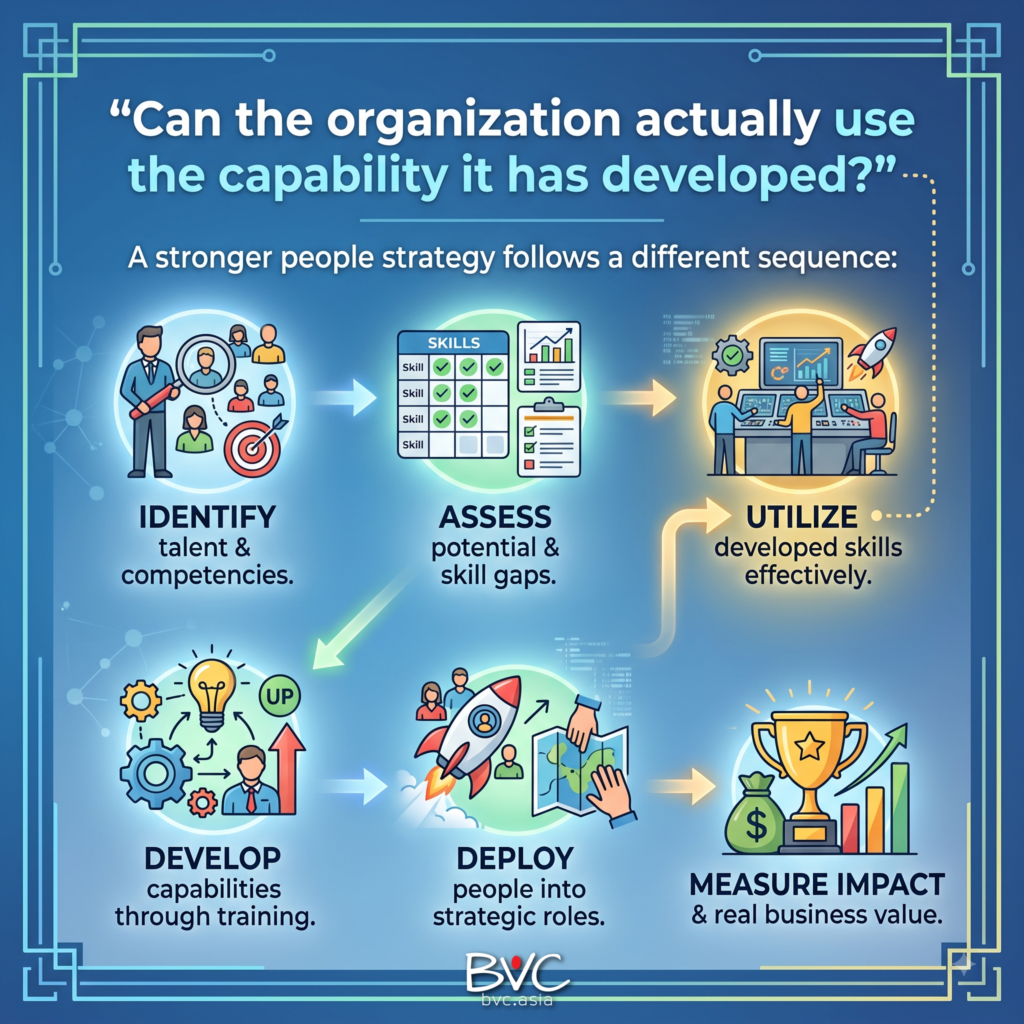
The same applies to future skills.
Completing a learning program is not the goal. Employees must be able to apply new capability in real work.
Entrepreneurial Mindset should not end with an assessment score. Employees should be given opportunities to identify opportunities, test ideas, build business cases, pilot solutions, commercialize new products or improve customer value.
Green capability should not end with Green Skills certification. It should influence projects, operational decisions, customer solutions, resource efficiency, innovation, and the transition toward sustainable business.
The strategic question therefore becomes:
“How effectively can the organization convert human potential into business capability?”
This is the point at which HR Strategy begins to become genuine business strategy.
8. Design KPIs That Show the Journey from HR Activity to Business Impact
Measurement is one of the strongest tests of strategic clarity.
A useful question for every HR KPI is:
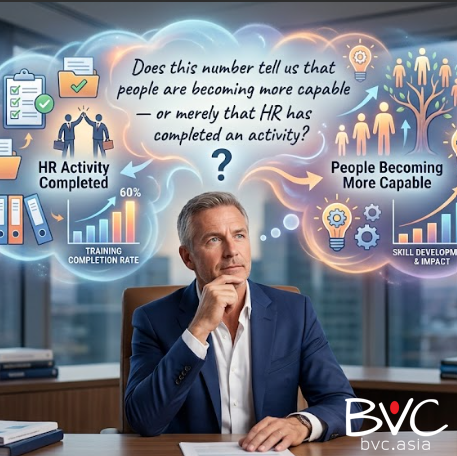
“Does this number tell us that people are becoming more capable — or merely that HR has completed an activity?”
Training completion measures activity.
Passing an assessment begins to measure capability.
Applying the skill in real work measures application.
Consistent use of new behaviors measures adoption.
Improved productivity, customer outcomes, innovation, revenue, risk, or operational performance begins to demonstrate business impact.
A useful measurement hierarchy is therefore:
Case Study: Consider digital capability.
Instead of measuring only the percentage of employees trained in AI, an organization might measure whether people have the required Digital/Data/AI proficiency for their roles, whether they apply those capabilities in work, and whether technology-enabled work actually improves productivity or customer experience.
For talent, measurement can move from Talent Identification to Talent Readiness, Talent Deployment, Talent Utilization, and ultimately Talent-led Business Outcomes.
Case Study: Green transformation
measurement can progress from Green Skills Readiness to Green Skills Application, Green Behavior Adoption, and finally contribution to Green Transformation outcomes.
This also clarifies accountability.
HR should not automatically own every business result.
Revenue, carbon reduction, market share, customer retention, or business profitability are usually shared outcomes involving business functions, strategy, finance, operations, sustainability, and HR.
HR’s accountability lies in demonstrating that the organization has the people readiness, capability, talent, behaviors, leadership, and workforce systems required to achieve those outcomes.
Leave a Reply